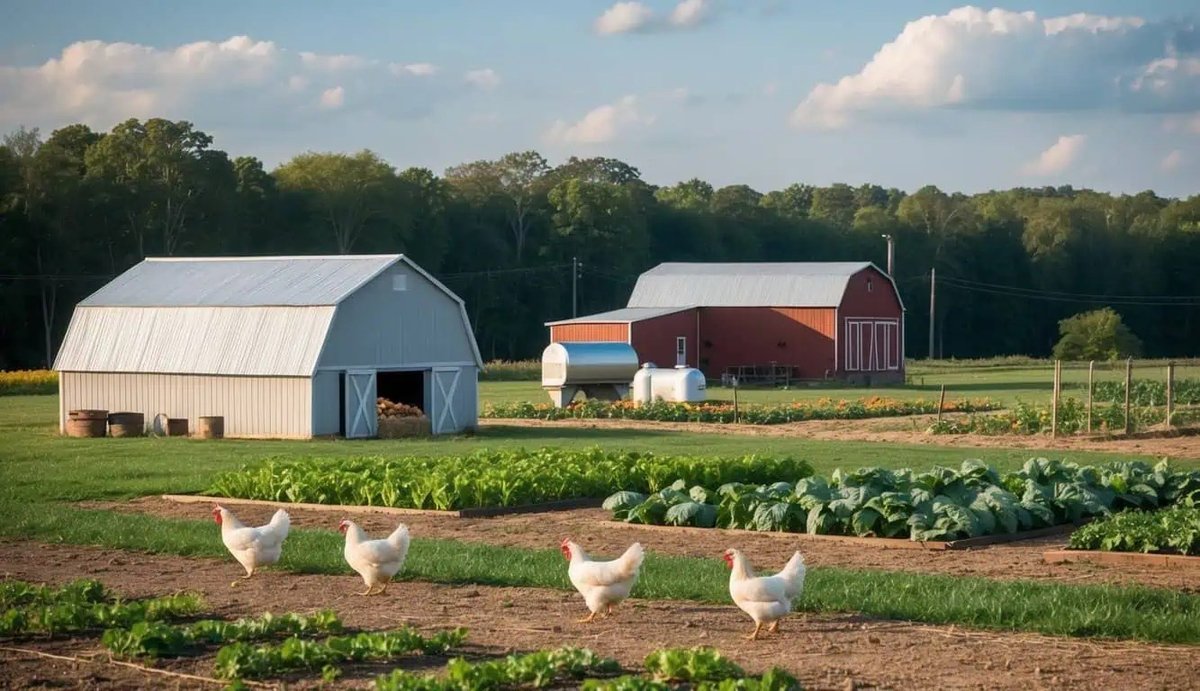
The idea that Rhode Island, the smallest state, offers a quiet, sprawling farm-to-table scene might surprise some, but for those in the know, the rural landscapes here are a culinary goldmine. Tucked away from the bustling city centers, farm-to-table restaurants in rural Rhode Island aren't just serving meals; they're cultivating a deep connection to the land, the sea, and the state's rich agricultural heritage. This isn't just dining; it's an experience rooted in provenance, sustainability, and a passionate commitment to hyper-local ingredients that truly elevate the regional cuisine.
At a Glance: Your Rural Rhode Island Farm-to-Table Journey
- Discover Genuine Local Flavor: Understand how rural settings foster truly authentic farm-to-table practices.
- Identify Key Destinations: Learn about must-visit rural farm-to-table gems and their unique offerings.
- Plan a Seamless Culinary Excursion: Get practical tips for reservations, seasonality, and transportation.
- Unlock the "Why": Appreciate the philosophy behind these establishments—sustainability, community, and fresh ingredients.
- Maximize Your Experience: Practical advice for engaging with the menu and supporting the local food ecosystem.
The Heart of the Land: Why Rural RI's Farm-to-Table Matters
Rhode Island's compact size, far from being a limitation, creates an incredible advantage for the farm-to-table movement, particularly in its rural pockets. Here, the distance from farm gate to kitchen door is often just a matter of miles, sometimes even yards. This proximity isn't just convenient; it's foundational to the freshness and integrity of the ingredients. Chefs can personally visit the farms, cultivating relationships with growers and understanding the nuances of the local harvest, which translates directly into dynamic, seasonal menus.
What sets rural Rhode Island apart is this seamless blend of land and sea. Unlike purely agricultural regions, coastal rural areas offer an unparalleled fusion of freshly caught seafood—think Narragansett Bay oysters or locally netted fish—alongside produce grown in fertile fields. This unique ecosystem allows for innovative dishes that truly reflect the bounty of the entire state, creating a distinct "Rhode Island taste" that can't be replicated elsewhere. It’s about more than just fresh food; it’s about a culinary identity forged in the heart of its landscape.
Beyond the Plate: What Defines a True Rural Farm-to-Table Experience
A restaurant can claim "farm-to-table," but in rural Rhode Island, the best examples live and breathe the ethos. It's a commitment that extends far beyond a catchy marketing phrase, shaping every aspect of the dining experience from the moment you step inside.
Unwavering Sourcing Transparency
The hallmark of a genuine rural farm-to-table establishment is its explicit connection to its sources. This isn't about generic "local" claims; it's about naming the specific farms, fishermen, or artisans. Some go even further, like Matunuck Oyster Bar, which not only owns its oyster farm but also a dedicated organic vegetable farm. This direct control over cultivation and harvesting ensures peak freshness and allows for incredible "pond-to-plate" or "garden-to-table" experiences that are genuinely unique. It fosters a level of trust and transparency you might not find in more urban settings.
Embracing Hyper-Seasonality
Rural farm-to-table menus are living documents, dictated by the rhythm of the seasons. What's abundant one week might be gone the next, pushing chefs to be incredibly creative and resourceful. This means you might not find the same dish twice, but you'll always find something at its absolute peak of flavor. It encourages diners to be adventurous and truly taste the moment, rather than relying on a static, year-round menu. This commitment to seasonality often highlights heirloom varieties or unique local produce that might not make it to larger markets.
Community Connection and Storytelling
These restaurants are often pillars of their local communities, fostering relationships that extend beyond business transactions. They champion local farmers, contributing to the economic vitality of the region. The chefs and staff often share stories about the ingredients—where they came from, who grew them, or how they were harvested—transforming a meal into a narrative. This connection makes dining a more engaging and educational experience, deepening your appreciation for the food and the people behind it.
Ambiance Rooted in Place
The setting of a rural farm-to-table restaurant is almost always an extension of its philosophy. Expect atmospheres that are rustic, charming, or boast breathtaking natural views. Whether it’s a cozy, historic building, a waterfront patio, or a dining room overlooking rolling fields, the environment enhances the connection to the local landscape. It's a deliberate departure from slick, urban fine dining, offering a more grounded, authentic sense of place that perfectly complements the menu. If you're looking to broaden your culinary horizons further and explore more unique and niche dining opportunities, you can always Explore unique dining experiences beyond just the farm-to-table model.
Spotlight on Rural Rhode Island's Culinary Gems
Rhode Island's rural landscape is dotted with establishments that exemplify the farm-to-table ideal, each offering a distinct flavor of the state's bounty. These aren't just places to eat; they're destinations that tell a story through their food.
Matunuck Oyster Bar: From Pond to Plate, a Local Legacy
Nestled on the tranquil shores of Potter Pond in East Matunuck (South Kingstown/Wakefield), Matunuck Oyster Bar is a quintessential Rhode Island experience. Its "pond-to-plate" and "farm-to-table" commitment is unparalleled. The restaurant owns and operates its very own oyster farm just steps from the kitchen, ensuring an unparalleled level of freshness. Beyond oysters, they grow organic produce on their dedicated vegetable farm, directly supplying the kitchen. Imagine savoring incredibly fresh oysters, perfectly grilled local fish, or a vibrant salad knowing every ingredient has traveled mere yards. The waterfront views from their scenic patio perfectly complement the exceptional, sustainable seafood.
Celestial Café: Exeter's Quaint Agricultural Embrace
In the quiet town of Exeter, Celestial Café truly embodies the essence of farm-to-table. This quaint eatery prides itself on a seasonal menu that changes frequently, showcasing what's at its peak from nearby farms. Their partnerships with local growers are a cornerstone of their identity, allowing them to craft harvest-themed dishes like pumpkin ravioli or vibrant vegetable tarts that sing with flavor. The atmosphere is cozy and welcoming, reflecting the close-knit community spirit. Dining here feels like stepping into a chef's personal kitchen, where every dish is a celebration of Rhode Island's agricultural richness.
Seasons at Ocean House: Luxury Meets Local in Watch Hill
For a more luxurious take on garden-to-table dining, Watch Hill's Seasons at Ocean House offers an exquisite experience. Perched with panoramic ocean views, this restaurant elevates local sourcing to a fine art. Ingredients are meticulously gathered from their expansive on-site gardens and carefully selected nearby farms. Expect impeccable hospitality alongside dishes like vibrant garden salads bursting with edible flowers or tender spring lamb, all crafted with precision and an emphasis on the freshest possible components. It's an ideal choice for a special occasion where sustainability meets unparalleled elegance.
The White Horse Tavern: A Historic Commitment to Local Fare
While Newport might not be considered "rural" in the traditional sense, The White Horse Tavern stands as a monumental example of early American farm-to-table principles, a true pioneer in local sourcing. As America’s oldest operating restaurant, established in 1673, this National Historic Landmark has a storied commitment to New England ingredients that predates the modern "farm-to-table" buzzword by centuries. Dining amidst original colonial beams and roaring fireplaces, you can savor dishes like roasted duck breast or hearty beef bourguignon, knowing the ingredients are sourced with a reverence for local quality, much as they would have been hundreds of years ago. It’s a historic journey that underscores the enduring value of local foodways.
Planning Your Rural Rhode Island Farm-to-Table Excursion
Exploring the rural farm-to-table scene requires a bit of planning to ensure the best experience. These aren't your typical walk-in urban spots; their charm often comes with a need for thoughtful consideration.
Timing Your Visit: The Seasonal Advantage
The best time to visit often aligns with peak growing seasons. Late spring through early fall offers the widest array of fresh produce. Summer brings an abundance of berries, corn, tomatoes, and a full oyster harvest. Autumn provides squashes, root vegetables, and heartier game. Winter menus, while smaller, can still be incredibly innovative, featuring preserved items, greenhouse greens, and robust local meats. Consider checking a restaurant's social media or website for current menu highlights before you go.
Reservations: A Must for Popular Spots
Many rural farm-to-table restaurants, especially the highly acclaimed ones like Matunuck Oyster Bar or Seasons at Ocean House, operate on a reservation-heavy model. Their unique settings and commitment to fresh, often limited, ingredients mean they can fill up quickly. Always call ahead or book online, often weeks in advance for weekend evenings, to avoid disappointment. For casual spots like Celestial Café, reservations might be less critical but still advisable, especially for larger groups.
Transportation: Embrace the Scenic Drive
Given their rural locations, most of these culinary gems are best accessed by car. Public transport options are limited or nonexistent. This makes the journey part of the experience, offering scenic drives through charming towns, past farm fields, and along picturesque coastlines. Plan your route, and perhaps even combine your meal with a visit to a nearby farm stand, winery, or a stroll along a quiet beach.
Dress Code: From Casual Comfort to Elegant Ease
Dress codes vary significantly. Places like Celestial Café or Matunuck Oyster Bar generally lean towards smart casual—comfortable yet presentable. For the more upscale experience at Seasons at Ocean House or The White Horse Tavern, business casual to cocktail attire would be more appropriate. Always check the restaurant's website if you're unsure, but generally, assume a respectful level of dress for an elevated dining experience.
Practical Playbook: How to Maximize Your Farm-to-Table Delight
You’ve made the journey, now how do you truly savor the unique offerings of rural Rhode Island's farm-to-table scene?
- Engage with the Menu (and the Staff): Don't be afraid to ask your server about the ingredients. Which farm supplied the greens? What fishing boat caught the day's special? Understanding the provenance enhances the appreciation of your meal and showcases the restaurant's commitment.
- Embrace the Chef's Whim (and the Season): If a dish features an ingredient you're unfamiliar with, or if the menu offers a "chef's tasting" or "seasonal special," consider trying it. This is where the kitchen's creativity shines, and it's your chance to taste something truly unique to the time and place.
- Pair with Local Libations: Many farm-to-table restaurants also prioritize local beverages. Look for Rhode Island craft beers, wines from nearby vineyards (yes, RI has them!), or artisanal cocktails featuring local spirits and seasonal ingredients. This extends the local experience beyond the plate.
- Support Beyond the Meal: If you love a particular ingredient mentioned on the menu, ask if the farm has a stand where you can buy produce directly. This strengthens the local food system and allows you to bring a piece of your culinary adventure home.
- Be Prepared for Flexibility: Sometimes, an ingredient might run out or a menu item needs to change due to unexpected farm conditions. This is a sign of true seasonality, not a shortcoming. Embrace the flexibility and trust the kitchen's ability to create something equally delicious.
Quick Answers: Your Rural Farm-to-Table FAQs
Is "farm-to-table" just a buzzword in rural Rhode Island?
No, in rural Rhode Island, "farm-to-table" is often a deeply ingrained practice. The close proximity of farms to restaurants, and in some cases, direct ownership of farms by restaurants (like Matunuck Oyster Bar), ensures a genuine commitment to fresh, locally sourced ingredients. It's often an economic necessity and a philosophical choice to support local agriculture, making it far more than just a trend.
Are these restaurants usually expensive?
Prices can vary, but generally, farm-to-table restaurants tend to be mid-to-high range. This reflects the higher cost of quality, sustainably sourced ingredients, the labor-intensive nature of preparing seasonal menus, and often, the elevated dining experience. However, the value comes from the freshness, quality, and unique connection to the local food system.
Can I find vegetarian/vegan options at rural farm-to-table restaurants?
Yes, increasingly so. Given the focus on fresh produce, chefs at farm-to-table establishments are often adept at highlighting vegetables. While not all will be exclusively vegetarian/vegan, most are happy to accommodate dietary restrictions with advance notice, crafting delicious plant-based dishes from their seasonal bounty.
What's the best season to visit for the ultimate farm-to-table experience?
Late spring to early fall (May through October) generally offers the widest variety of fresh produce and seafood. Summer is vibrant with berries, corn, and tomatoes, while early fall brings root vegetables, squashes, and a hearty harvest. Each season offers a distinct and delicious experience.
Savoring the Soil: Your Next Steps to Rural RI's Culinary Heartbeat
The rural farm-to-table scene in Rhode Island offers more than just a meal; it provides a direct line to the state's agricultural soul and pristine coastal waters. By choosing to dine at these establishments, you're not only treating your palate to exceptional, fresh flavors but also actively supporting local farmers, fishermen, and the sustainable practices that keep Rhode Island's landscape vibrant. So, plan your drive, make a reservation, and prepare to discover a culinary world where every bite tells a story of the land and sea. This is an invitation to experience Rhode Island not just through its charming towns, but through the very essence of its soil and sustenance.